Life
-
Diamondbacks OneCourt
Last Sunday, my wonderful wife, Deana, and I headed to Chase Field in Phoenix for an exciting Arizona Diamondbacks game against the Boston Red Sox. As a newly blind baseball fan, I’ve always loved the energy of live games, but navigating the sensory overload of a stadium can be daunting. Thankfully, Deana, being the incredible wife that she is, had planned ahead and reserved a One Court device for me to use during the game. This innovative technology, designed specifically for blind and visually impaired fans, has been a game changer.
The Arizona Diamondbacks hold the distinction of being the first MLB team to offer One Court devices, a remarkable step toward inclusivity. These devices are tailored to help blind and visually impaired fans follow the game through audio play-by-play announcements and tactile feedback. Chase Field keeps ten of these devices charged and ready for use, available upon request at no extra cost. Knowing this, Deana had called ahead to ensure one was reserved for me, making our trip to the ballpark even more special.
For those unfamiliar, the One Court device is a compact, lap gadget that delivers real-time game updates. It vibrates to indicate action on specific bases and provides audible commentary through earpieces, allowing users to track the game’s flow. It’s not perfect, but it’s a fantastic tool that bridges the gap for visually impaired fans, letting us feel closer to the action.
Walking into Chase Field is always a whirlwind. The buzz of the crowd, the echo of announcements, and the chatter of vendors create a chaotic symphony that can be disorienting for someone who is blind or visually impaired. I’ve been to the stadium before, but the energy still feels overwhelming at times. Fortunately, the staff at Chase Field are exceptional. From the moment we arrived, someone was there to guide us, ensuring we felt comfortable and supported.
Deana handled the paperwork to check out the One Court device. Once that was sorted, we made our way to our ADA-accessible seats. These seats are a blessing, offering plenty of space so I didn’t have to worry about accidentally bumping anyone with my cane. The stadium staff even stopped by to check in, making sure I understood how to use the device and answering any questions. Their attentiveness set the tone for a fantastic day.
As the game began, the One Court device sprang into action. It provided play-by-play updates, describing each pitch, hit, and fielding play with detail. The tactile feedback was particularly cool, different vibrations corresponded to action at specific bases, helping me visualize where the runners were. It felt like I was right in the middle of the game, calling plays like a sports broadcaster.
There was a slight hiccup, though. My hearing aids made it tricky to hear the audio clearly through the device’s earpieces. The stadium noise didn’t help either! I mentioned this to the staff, and they suggested trying a different set of earpieces next time, which I’ll definitely do. Despite the audio challenge, the device still allowed me to follow the game closely, and I was grateful for the experience it provided.
The Diamondbacks and Red Sox were locked in a tight battle, staying tied through the first six innings. I kept up with the plays through the One Court device, but I found myself turning to Deana to ask for the score. Little did I know, the device has an “Info” button that provides score updates on demand! I felt a bit silly when I learned this afterward, but it’s something I’ll remember for next time.
In the seventh inning, the Red Sox pulled ahead, scoring three runs in a classic late-inning surge they’re known for. Despite a pitching change, the D-Backs couldn’t recover, and Boston clinched the win. It was a tough loss, but the excitement of the game and the vibrant atmosphere at Chase Field made it an unforgettable day. Deana and I cheered, laughed, and soaked in the experience, loss and all.
The One Court device truly enhanced my experience at Chase Field. Being able to follow the game’s action through audio and tactile feedback made me feel more connected to the sport I love. Aside from the audio issue with my hearing aids, I wished the device automatically announced the score periodically. Adding a Braille display for score updates would be a dream, though I understand that could be costly. Still, the device is a huge step forward, and I’m excited to see how future versions might improve.
For any blind or visually impaired baseball fans, I wholeheartedly recommend giving the One Court device a try. It’s free to use, and the Diamondbacks’ staff make the process easy. The device doesn’t just let you follow the game; it empowers you to engage with it in a way that feels immersive and inclusive. I felt like I was part of the action, calling out plays and cheering alongside everyone else.
Our day at Chase Field was about more than just baseball, it was about shared moments, accessibility, and the joy of being part of the crowd. Deana’s thoughtfulness in reserving the One Court device and the stadium staff’s dedication to ensuring we had a great time made the experience truly special. We left the ballpark with big smiles, already looking forward to our next game.
If you’re a blind or visually impaired fan considering a trip to Chase Field, don’t hesitate to request a One Court device. It’s a fantastic tool that brings the game to life in ways I hadn’t imagined.
Have you tried the One Court?
-
Blob City
I’ve spent many sleepless nights trying to find the right words to describe what it’s like to go completely blind. It’s not like flipping off a light switch! For most people who are blind, about 90% according to the stats, there’s still something to see. Maybe it’s just light perception, like knowing the sun’s out there doing its thing, or maybe it’s catching a glimpse of colors, like a fuzzy rainbow. But for a few folks I know who’ve been completely blind since birth, sight is just one piece of the sensory puzzle, and they prove you can live a full, vibrant life without it. Me? I’m somewhere near the end, navigating a world of blobs, and let me tell you, it’s a wild ride.
Let’s get one thing straight: life without sight isn’t easy, but it’s absolutely worth living to the fullest. I mean, who needs 20/20 vision when you’ve got stubbornness, a good sense of humor, and a knack for dodging furniture? (I still bump into things, but I’m working on my ninja skills.) The world of blindness is filled with challenges, but it’s also brimming with possibilities. I love chatting with people about the tech that’s out there, like screen readers, smart canes, apps that describe the world like a chatty tour guide. But the real MVP in my life is Braille.
Braille is like the secret handshake of the blind community. It’s tactile, it’s elegant, and it keeps my brain as sharp as a tack. Fun fact: reading braille lights up the same part of your brain as reading with your eyes. So, while I’m running my fingers over those delightful dots, I’m basically doing mental push-ups. Without braille, I’m not sure I’d be as happy as I am today. It’s my bridge to a world of books, notes, and magazines.
I’ve been blind in one eye since I was a day old, thanks to a condition called Septo-Optic Dysplasia, which led to Optic Atrophy. Sounds like a villain from a sci-fi flick, right? Basically, it means my optic nerve cells are slowly checking out, like guests leaving a party early. Back in the 1970s, though, I didn’t let that stop me. I was just another kid, tearing around on bikes and motorcycles, channeling my inner Evel Knievel. Sure, I had more crashes than the average daredevil—my nickname was and still is “Crash”—but I didn’t care. My parents were my biggest cheerleaders, telling me I could do anything. I still believe them.
In January 2024, my doctor dropped a bombshell: “Stop driving.” The next month, another gut-punch: I had about two years of sight left. We hoped it’d stretch longer, but my vision had other plans. Right now, I’m down to five degrees of peripheral vision, and it’s blurry, like looking through a foggy window. Everyone and everything is a blob. My wife, Deana has been my rock through this whole journey, encouraging me to keep going, even when I’m tempted to throw a pity party for one.
Here’s what it’s like to live in Blob City. I can still pick up colors, so I might notice a red hat or a green shirt, but details? Forget it. Reading text is like trying to solve a puzzle in a windstorm. I have to stare at it forever, and it better be in font size “Billboard.” Walking, though, is my jam. It clears my head and usually puts me in a better mood. This morning, I strolled down to Green Valley Park, looped around the lake, and decided to grab Deana a drink from the gas station on the way back. Easy, right? Wrong.
I sauntered up to the cooler, ready to be the hero of hydration, only to remember I couldn’t read the labels. Picture me, squinting like a detective at a crime scene, trying to guess which bottle was Deana’s favorite. I grabbed one that looked vaguely familiar and hoped for the best. Then, a kind stranger piped up: “Need any help?” I could’ve hugged him. He confirmed I’d picked the right drink, then asked, “How’d you figure that out?” I explained my blob-vision situation, and he was surprised. Like most folks, he saw my white cane and dark glasses and assumed I was living in total darkness. Nope, just blob central.
That white cane and dark glasses? It’s like the unofficial “blind uniform.” People see it and assume I can’t see a thing, which is honestly a safe bet. I don’t mind the assumptions, better safe than sorry, right? Most people are just trying to help, and I’m grateful for it. I always say “thank you,” even if I don’t need the assistance. The other day, someone offered to guide me across the street, and I thought, Buddy, I’ve been crossing streets since disco was king. But I smiled, said thanks, and let them feel like a superhero. It’s a win-win.
The truth is, every blind person’s experience is different. Some of us see blobs, some see light, some see nothing at all. What we all share is the ability to adapt, to find joy in the little things, and to keep moving forward. For me, that means laughing at my own misadventures, like the multiple times I called a Mister a Misses or vice versa. That can get dicey really quick.
Losing my sight hasn’t been easy, but it’s taught me to lean into life’s unpredictability. I’m still the kid who rode motorcycles and dreamed big, just with a few more battle scars and a better sense of humor. With Deana by my side, braille to keep me sharp, and the occasional kind stranger to point me toward the right soda, I’m living a life that’s full, messy, and mine. So here’s to the blobs. May they always be colorful, and may I never stop finding the humor in this wild, blurry world.
-
Moving on…
As you might have noticed, there has been a lack of posts lately. My photography has stalled to a memory. All of this, however, is for an amazing reason.
As Spring has sprung, we have been planning and working hard behind the scenes in the Davis household. After much research and heartfelt thought, Deana and I have decided that we are moving to Arizona, where she grew up. My amazing and beautiful wife spent her childhood in an oasis in the desert, and she loves and misses it dearly. The decision was not easy, as we will both miss family and friends here immensely, but it is a great time to move and still a seller’s market in South Carolina.
I am excited to share that I will be transferring to a similar position in the northern half of Arizona. The prospect of this move fills me with anticipation and joy. While I have a deep love for my home and family here in South Carolina, I won’t miss the allergies or the oppressive heat and 100% humidity that plagues July and August. I have always had a passion for travel and embarking on new adventures, and this move presents a perfect opportunity for that.
As previously stated in several posts, I am in the process of going blind. Our hope is that I have more than two years before I lose my vision entirely. So, while I can still see, I am looking forward to capturing the beauty of the West through my lens. The vast landscapes, the picturesque deserts, and the breathtaking sunsets are all calling to me, and I aim to photograph as much as I can.
Currently, we are in the process of finding the right buyer for our home. We have put a lot of effort into getting the house ready for sale, and we are eagerly awaiting the next steps. Until we finalize the sale and make the move, there may not be any new posts on the site. Our days are filled with work and house showings, leaving little time for writing, developing film, or taking new photographs. It has been a shocker, not having had the chance to photograph anything in a month.
All that said, as soon as the house is sold, I will be back with more updates and plan to document our week-long journey west on the blog. The excitement is palpable, and I am looking forward to sharing this new chapter with you all. Stay tuned for more adventures from the Davis household! I can’t wait!
-
Stuck
As I pen this entry, I hope it will mark the end of a series of “blind” updates for some time. Have you ever found yourself in an inescapable predicament? My dialogue will carefully omit any direct reference to my employer, a vast global entity. Before the devastating prognosis of my impending blindness, and the ensuing revocation of my driving privileges, I found fulfillment in my profession and thrived on a perfect work routine.
My earlier schedule had me traveling to a neighboring town for work, beginning at 5:00 AM and ending at 1:30 PM from Monday to Friday. My return home was typically around 2:00 PM, allowing me the luxury of a brief rest before tending to household duties and at times, preparing dinner for my wife, Deana. This routine suited us well, allowing us to enjoy our evenings together, and even catch a movie after her workday had concluded.
Following the dire revelation about my vision, I was compelled to request a transfer to a branch within walking proximity to my home. This transition was protracted, lasting a month, with three weeks in which I received no compensation. My role in the corporation pertained to merchandising—a field I had not sought academic training for nor anticipated finding enjoyable. However, my penchant for order, structure, and meticulous tasks seemed to align well with the demands of the role.
Despite my capability and experience to perform my job without sight, the company reassigned me to an in-store position, with working hours slated from 1:30 PM to 10:00 PM on arbitrary days. My wife’s schedule has her leaving for work at 8:00 AM, during which I stay with our dogs until she returns at lunch to drive me to work. Consequently, we have been deprived of the cherished evenings we once shared. My new role demands squinting at minute details, which results in intense eye strain and headaches by day’s end.
While my employer has fulfilled the legal obligations, their support has not extended beyond that. My objections to this decision are manifold. I am naturally inclined towards early mornings, valuing the ability to complete my workday ahead of time and spend evenings with my loved ones.
Pursuing alternative employment remains a viable option, yet I am faced with the dilemma that full disclosure of my visual impairment may render me unemployable. While part-time work is attainable, it would compromise my access to quality health insurance. The coverage I currently hold is excellent, but parting ways with my job or reducing hours would precipitate a twofold increase in insurance costs. My wife’s insurance plan does not cover dependents, which further immobilizes me in my current role.
My aspirations for financial support through my blog and magazine, alongside print sales, have yet to yield significant results, though I express my deepest gratitude to everyone who has engaged with my work.
Under South Carolina’s regulations, disability benefits are inaccessible to me until my vision constricts to 20 degrees or less; currently, it stands at approximately 40 degrees. The Commission for the Blind is a resource, but its primary focus is to ensure employment for the visually impaired. Despite these challenges, I am determined to persevere in the hope of a breakthrough, but the everyday struggle is real, with a mortgage and other bills aligning with the fiscal responsibilities that many of us face.
It is not my intent to lament my circumstances; however, I cannot ignore the reality of the corner I seem to be trapped in. I am contending with Septo Optic Dysplasia and Optic Atrophy, amongst a long list of other challenges, and yet I take solace in the fact that I’m still able to provide for my family—this is undeniably a positive. The unwavering support from my wife, Deana, has been nothing short of heroic, and her strength is a blessing for which I am eternally grateful.
Should anyone have practical suggestions for additional sources of income, I would be keen to hear them. We seek your ideas and assistance. While I seldom mention it, there is a tip jar situated on the right side of the blog—for those inclined to support my endeavors with the equivalent of a coffee, it would be greatly appreciated. In my forthcoming post, which you can expect on Monday, I will discuss my preferred and reasonably priced folding medium format camera.
While I have pursued photography as a business venture for several years, it has not been financially lucrative for me. The ordeal nearly overwhelmed me at times. Nevertheless, it is an endeavor that brings tranquility to my spirit. Its absence would leave a void within me — for it is intricately tied to my identity.
I am the individual who approaches others with enthusiasm about cameras, only to reveal that I am progressing towards blindness. This revelation often elicits surprise and confusion; however, I find a certain satisfaction in such reactions. People are strange, but so am I.
It is my intention to share my narrative with you, one that intertwines simplicity with complexity. I invite you to subscribe to this blog for further insights and to explore more of my photographic journey.
-
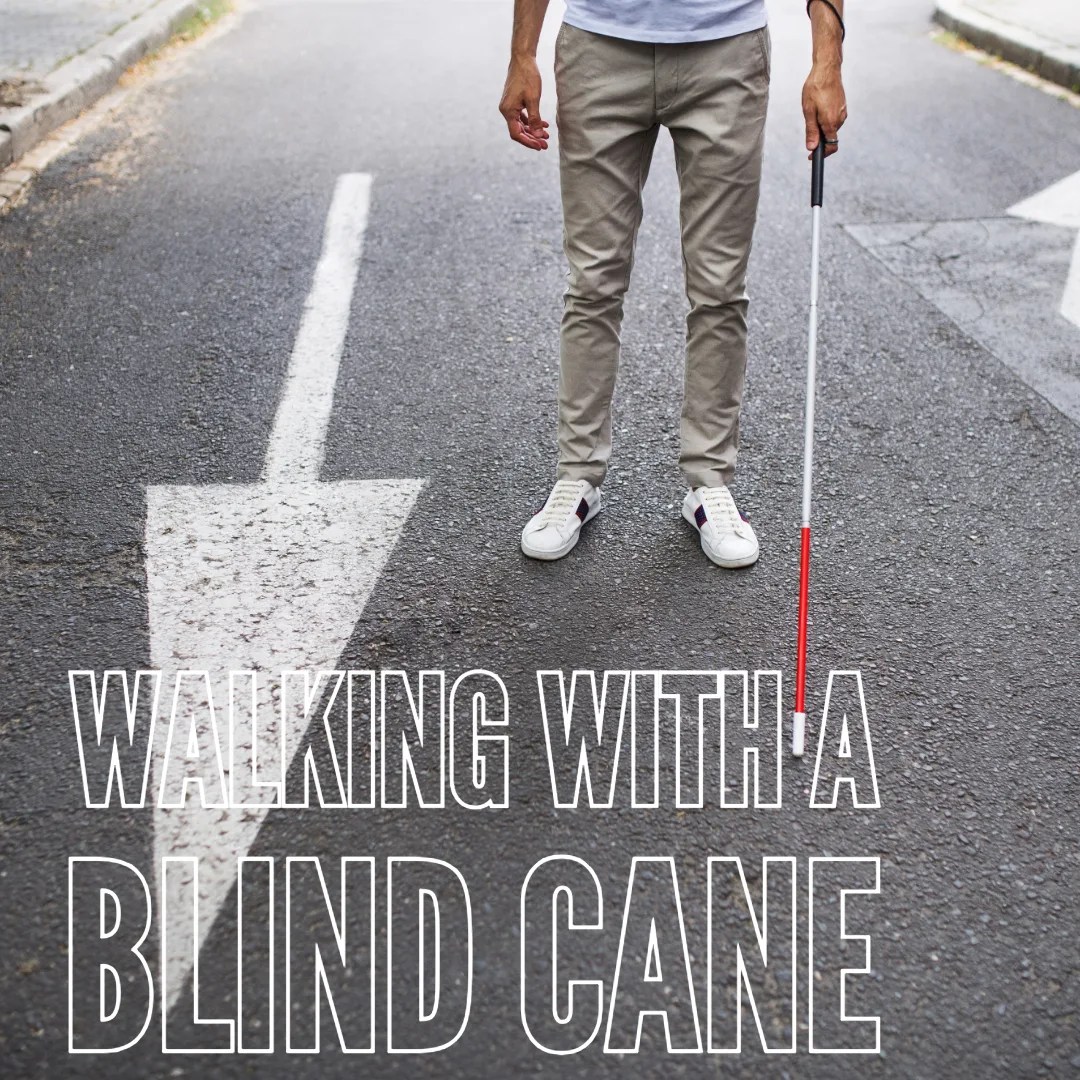
Walking With a Blind Cane
Living with vision impairment involves constant learning and adaptation, and my recent experiences have truly highlighted this journey. Participating in orientation and mobility training with a specialist from Columbia was not just an educational endeavor, but a life-affirming one. The specialist displayed a remarkable combination of professional expertise and compassionate support that has empowered me in ways I hadn’t imagined possible.
Navigating the world without full sight is fraught with potential hazards. While the technical jargon is vast, the fundamental goal remains straightforward: avoid accidents, whether with vehicles, bicycles, or obstacles on the path. Mastery of the blind cane is crucial in this respect. The various tips that adorn the cane—a marvel of simple design—are surprisingly communicative, furnishing tactile feedback about the ground underfoot and the obstacles flanking the path.
A mundane commute can be a gauntlet for those with visual impairments. My daily journey involves a half-mile trek along a sidewalk that is not always in the best of repair. Here, the cane serves as an invaluable ally, probing the terrain for perils and helping me maintain a straight course. Transitioning from sidewalk to road signifies an escalation in risk, and it is here that a careful pace and keen hearing become my guardians against the dangers that quiet electric cars, like a Tesla, might present.
The complicated intersections are a particular concern. One such crossing I regularly navigate requires traversing four lanes of traffic, set at an unusual angle, lacking the guidance of audible pedestrian signals. Here, the life-saving virtues of patience and acute listening are never more apparent. The near-silent approach of electric vehicles heightens the peril, making it essential to rely upon one’s auditory senses to a degree that those with vision might find hard to fathom.
The message I wish to impart to drivers is one of vigilance and empathy. Keep watch for those of us with canes; these are not mere accessories but vital tools signaling the presence of a visually impaired or blind person navigating the byways and thoroughfares you share. I brandish my cane not just for personal navigation and safety but also as a clear signal to you, the driver, alerting you to my presence and my needs. This cane is for depth perception when negotiating rough terrain and a visible beacon to declare my visual limitations to the surrounding traffic.
Our roads, our paths, they are shared spaces. As participants in this communal realm, we bear a collective responsibility to ensure safety for all members, especially those who confront these spaces without the benefit of sight. The kindness drivers display in being mindful of visually impaired pedestrians like myself makes an indelible difference; it makes these journeys less daunting and the world a little more accessible, one thoughtful act at a time.